Significato della parola "if in February there be no rain, it is neither good for hay nor grain" in italiano
Cosa significa "if in February there be no rain, it is neither good for hay nor grain" in inglese? Scopri il significato, la pronuncia e l'uso specifico di questa parola con Lingoland
if in February there be no rain, it is neither good for hay nor grain
US /ɪf ɪn ˈfɛbjueri ðɛr bi noʊ reɪn, ɪt ɪz ˈniðər ɡʊd fɔr heɪ nɔr ɡreɪn/
UK /ɪf ɪn ˈfɛbruəri ðeə bi nəʊ reɪn, ɪt ɪz ˈnaɪðə ɡʊd fɔː heɪ nɔː ɡreɪn/
Idioma
la pioggia di febbraio è necessaria per il raccolto
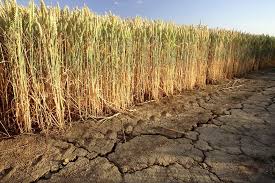
An old English proverb suggesting that rain in February is essential for a good harvest of hay and grain later in the year.
Esempio:
•
The farmers are worried about the drought because if in February there be no rain, it is neither good for hay nor grain.
Gli agricoltori sono preoccupati per la siccità perché se a febbraio non piove, non è un bene né per il fieno né per il grano.
•
My grandfather always said, 'If in February there be no rain, it is neither good for hay nor grain,' so he's happy to see the storms today.
Mio nonno diceva sempre: 'Se a febbraio non piove, non è un bene né per il fieno né per il grano', quindi è felice di vedere i temporali oggi.